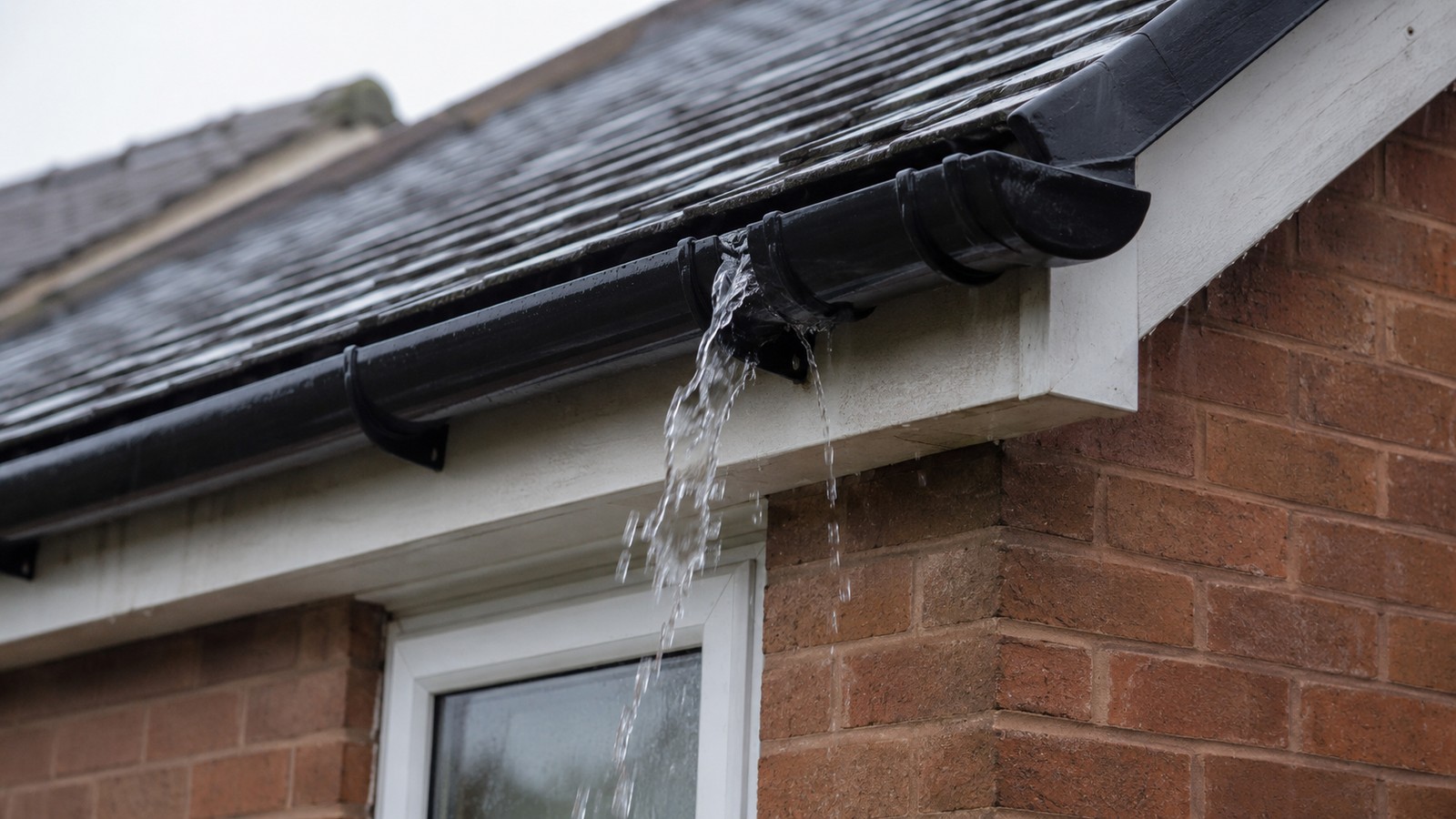
Dry rot can return if the damp returns
Even after damaged timber has been removed, rot can become a problem again if the building gets wet. A gutter may start leaking, a pipe may still be dripping or an underfloor space may never have dried properly.
A repaired area may not be the only damp area
The first outbreak can draw attention to one room while another source of moisture remains concealed nearby. A thorough survey should therefore consider the building around the outbreak, not only the timber that was removed.
New timber still needs a dry environment
Replacement joists and boards are not protected by being new. If they are built into damp masonry or enclosed before the structure has dried, the same conditions can be recreated.
Maintenance matters after treatment
Keeping roofs, gutters, downpipes, plumbing and ventilation in working order is the practical defence against recurrence. Periodic checking is more useful than assuming the problem can never return.
Useful technical sources
These links provide background guidance. A particular building still needs its own inspection.